
break your limits
BADMINTON LADDER NIGHTS
Badminton – a complete sport demands power, speed, skills and strategy! Here is where you test yourself.
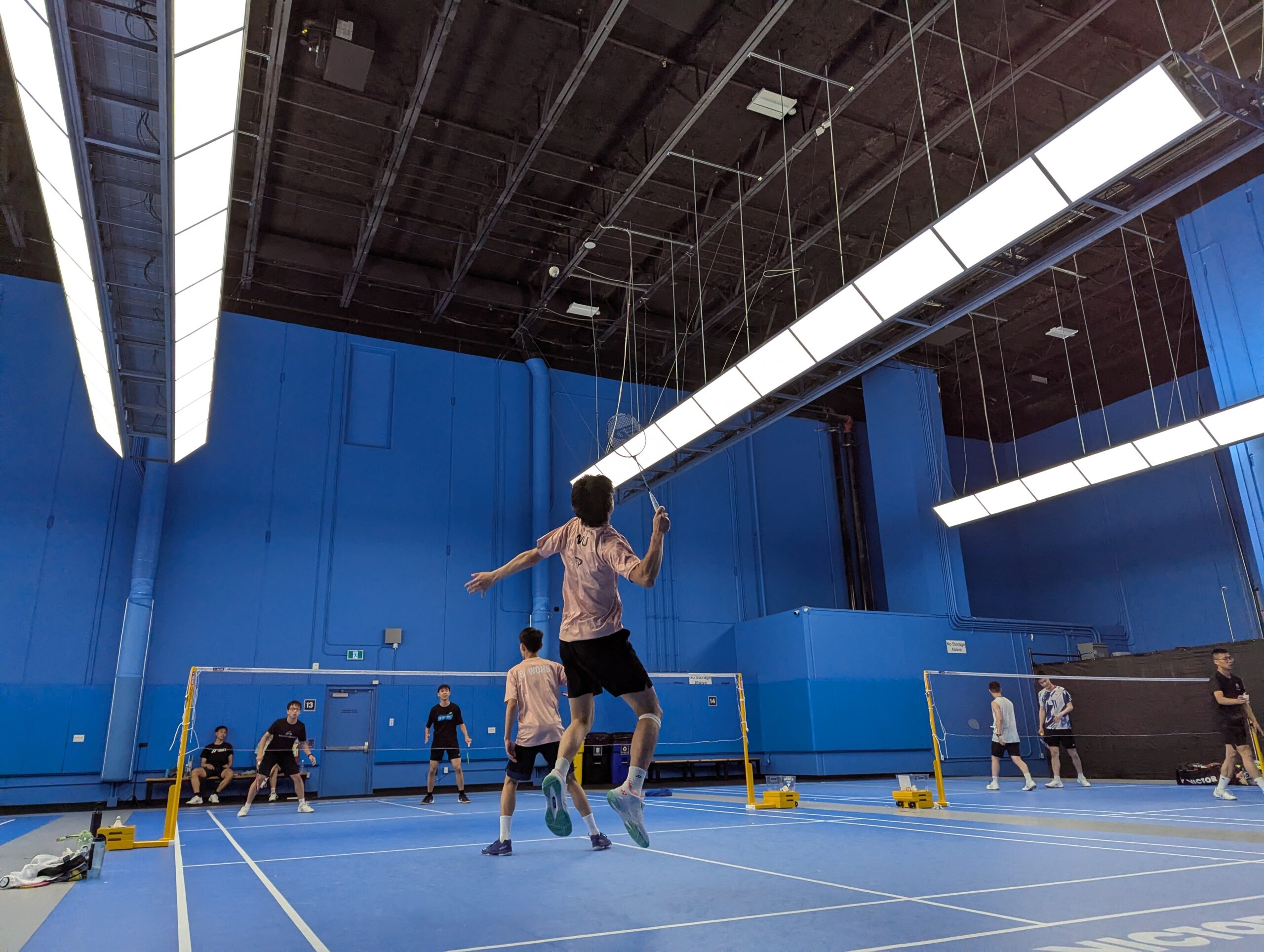
Competitive (13+) Doubles Ladder
Singles, Doubles, and Mixed Doubles – we aim to have it all! Competitive Badminton Ladder is not for the feint of heart, but for those who live for competition! Are you counting your wins and losses? Cuz we are. Rank up every Thursday at 6-11PM and 8-11PM!
First time players must complete a self assessment: Click Here
$20.00/ session
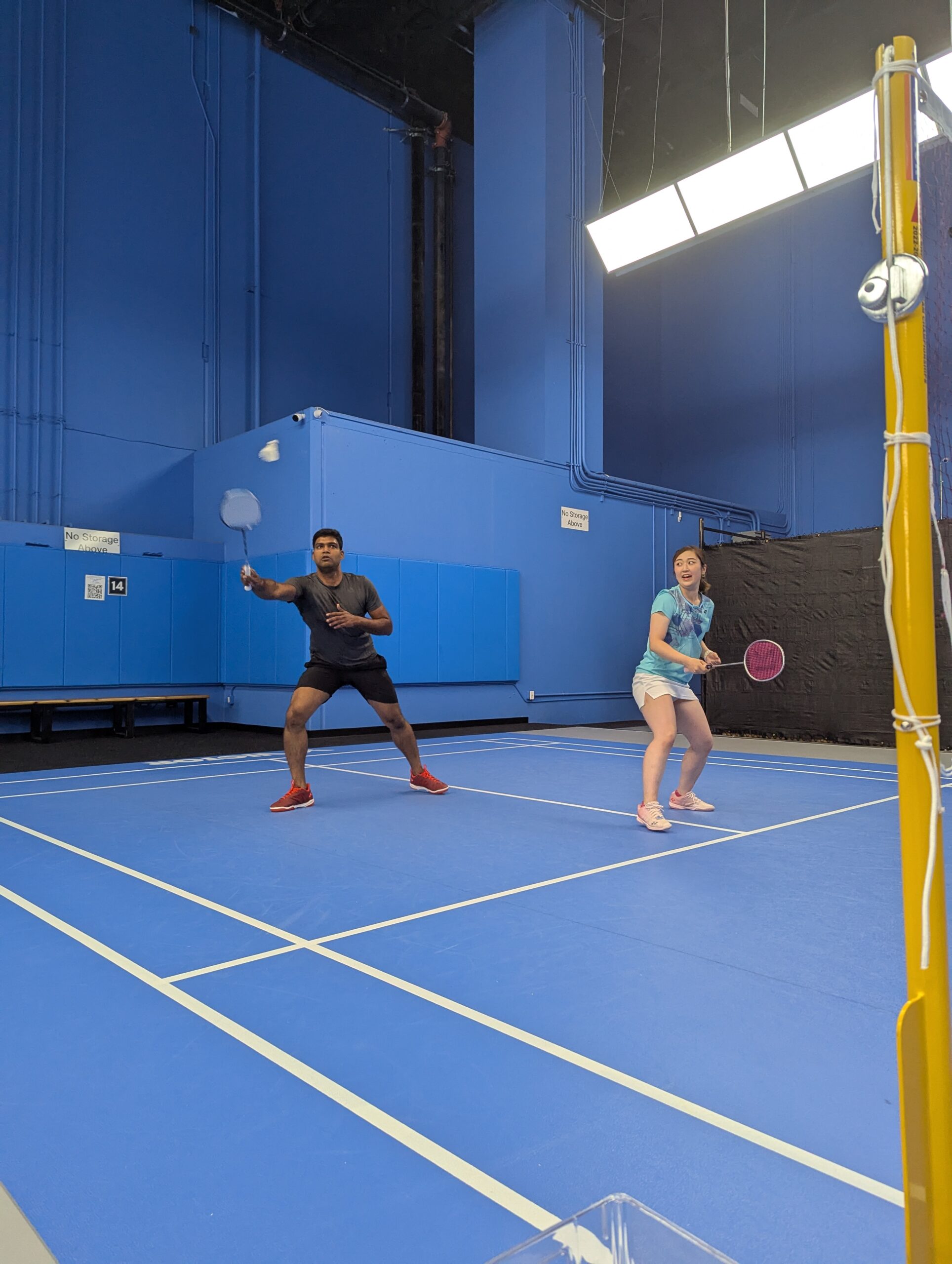
Competitive (13+) Mixed Doubles Ladder
Singles, Doubles, and Mixed Doubles – we aim to have it all! Competitive Badminton Ladder is not for the feint of heart, but for those who live for competition! Are you counting your wins and losses? Cuz we are. Join us every Friday from 8-11PM!
First time pairings must complete a self-assessment: Click Here
$20.00/ session
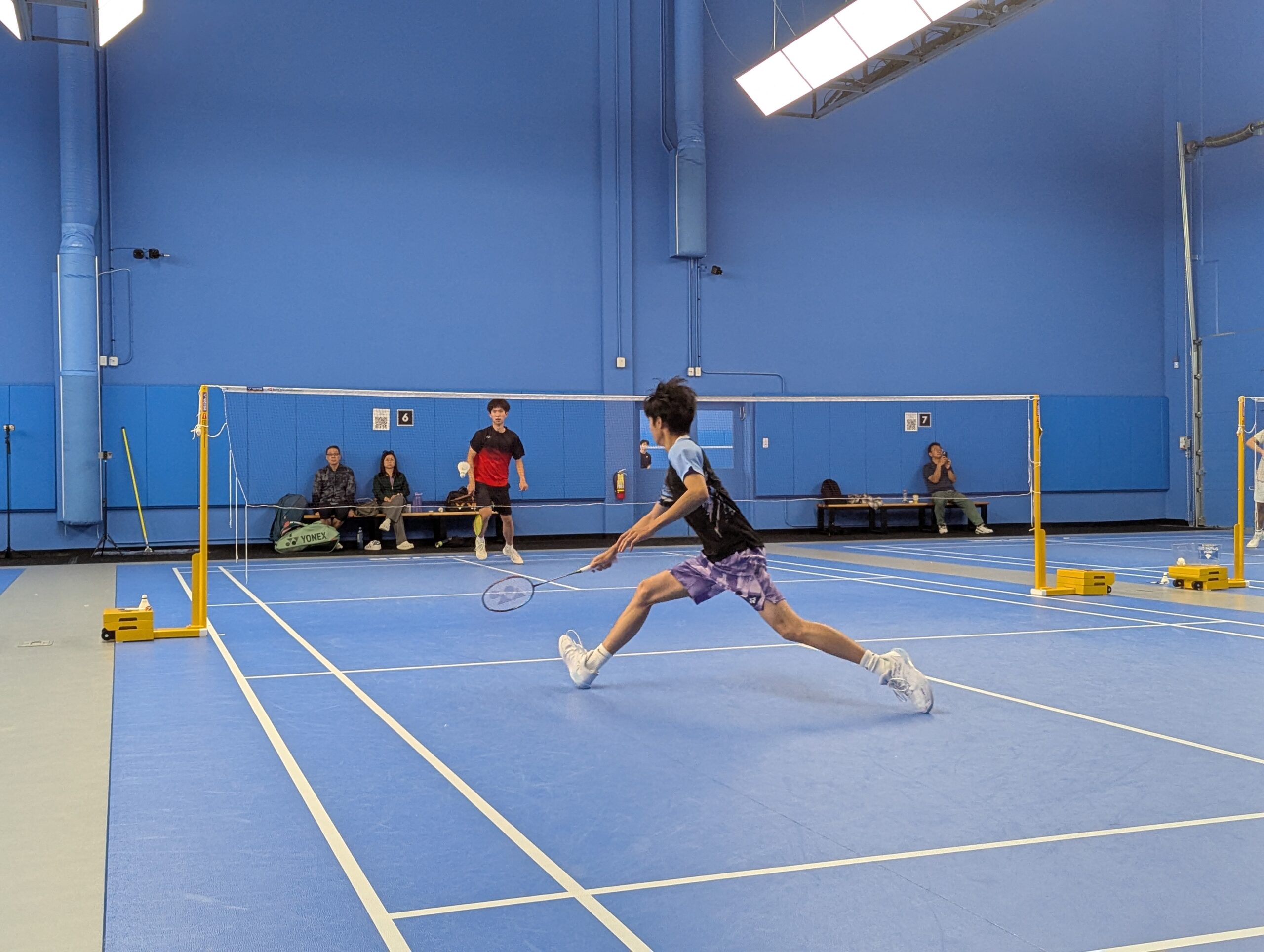
Competitive (13+) singles Ladder
Singles, Doubles, and Mixed Doubles – we aim to have it all! Competitive Badminton Ladder is not for the feint of heart, but for those who live for competition! Are you counting your wins and losses? Cuz we are. Rank up every Sunday at 8-10PM!
First time players must complete a self assessment: Click Here
$14.00/ session
Please note that services and prices shown are subject to taxes and may change at any time at the sole discretion of the Club.
Frequently Asked Questions
In each group, players are assigned a letter: A, B, C or D. Each player will pair up with another player for two games up to 21 before switching partners, playing a maximum of 6 games per ladder session.
Exact groupings depend on the number of players that are registered for a particular ladder session. Depending on where a player is on the leaderboard and who registers, the competitiveness of games may vary from session to session.
If you are not moving up, it could simply be because you have not elevated your score enough to surpass the lowest ranked player on the court above you. Another reason for this could be that you won your first 4 games last week (elevating your Elo Rating, and reducing the Elo Ratings of the rest of your group), then lost your last two, which results in greater losses since your score is higher and you are expected to win.
A good solution may be to work on stamina to ensure that you can perform at your top level for the duration of the ladder competition.
Our Premium Membership includes unlimited access (8:00am-11:00pm) to the fitness gym upstairs. It might be time to put some work in one the weights or cardio machines depending on what’s holding you back. Improvement is not enough to rank up, you must improve MORE than the other players in the ladder pool.
It is possible that the same player could be on the top court in one session and the 5th court in another. In any case, over time, the system will level out as long as SOME players are playing across multiple sessions. For example, if you play an “easier” session, and rank up, then play a “harder” one, the points you gained from the “easier” session will be lost to the players in the “harder” session, inflating their overall scores and deflating the scores in the “easier” one until everyone’s score is an accurate representation of their relative level within our club.
The issue with any other system (having players start at the bottom, or start in the middle) is that you will STILL have the exact same problems. If a national level player started at the bottom, do we really want to waste their time for a period of weeks playing against our weakest players, and robbing everyone else on their court of an opportunity to move up?
That’s an extreme example, but it carries through to just about any player who joins the ladder and doesn’t happen to belong on the bottom rung. That would create a VERY frustrating experience for bottom court players who would get no chance to rank up on almost any night a new player joins.
We are open to improvements to the self-assessment form, but for now self-assessments are here to stay.
For your first 12 sets, your K-factor (how much your score can fluctuate with each set) will be 64 rather than 16. This will make your rating more volatile, which allows our system to more quickly adjust your rating while it gets a better measure of your performance.
At Smash Champs, we prefer to cap attendance on each ladder night to minimize waiting, which creates an environment where attendance is not consistent – at the time of creating this FAQ, we have about 2x as many active ladder players as the roster capacity of our biggest ladder session. What this means is that with a ‘move up/move down’ system, you could easily “win” court 4, but have 10 players who are ranked above you attend the following week, pushing you down to court 6, where you then have to “win” again. It just doesn’t work.
Some systems build in penalties for missing a night or directly reward consistent attendance, but we prefer to reward performance over participation in the interest of creating an environment where every match is going to be a tough battle. We have other sessions that are less competitively-oriented for folks who just want to enjoy the game, like our Drop-Ins and Mixer Nights.
If you are registering for the first time, a staff member will connect with you to help you with the self-assessment.
If you have trouble finding it, just reach out to a staff member and we will assist you.